Investigate the carding attack
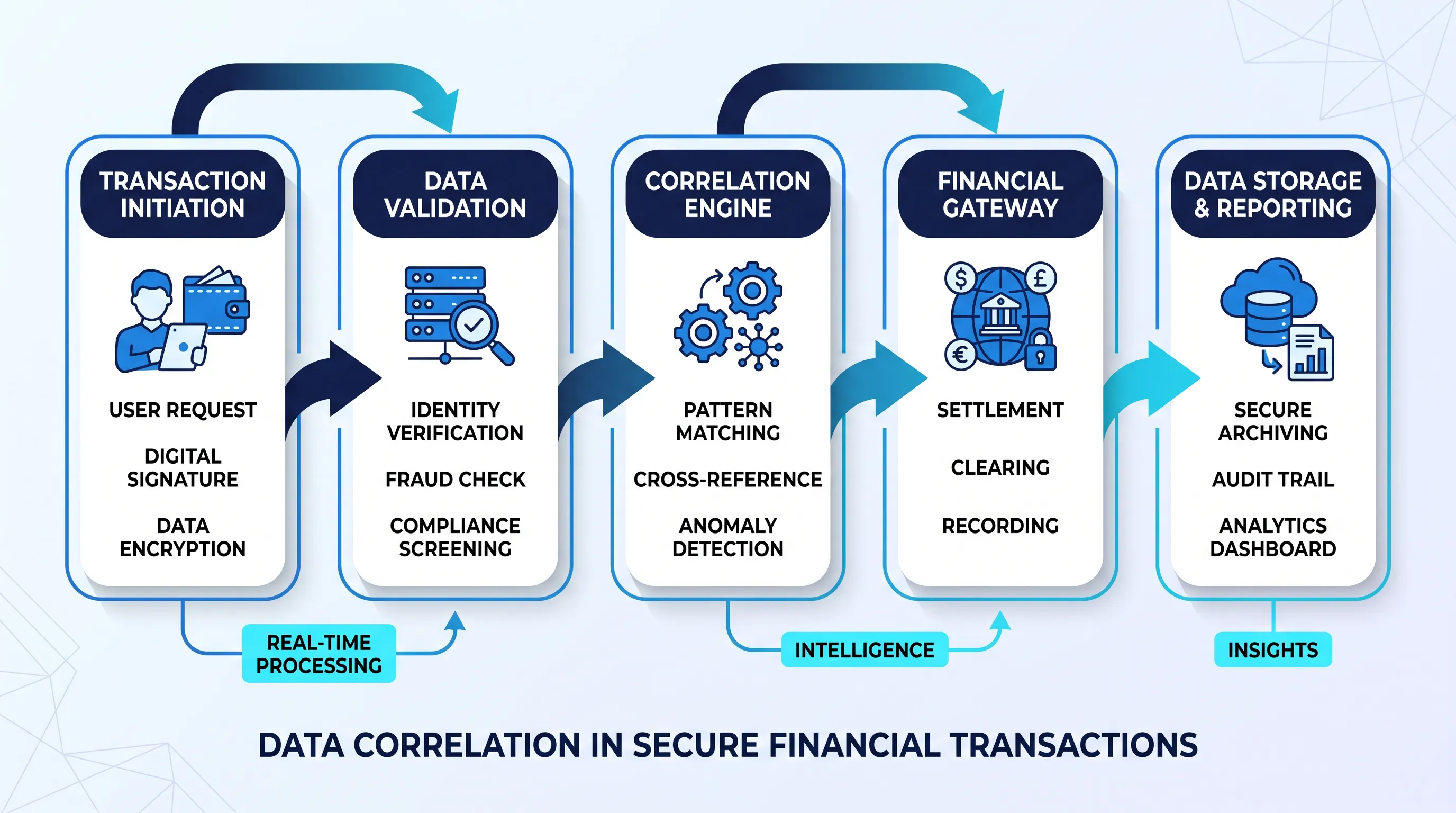
The investigative question is whether the data is coordinated or coincidental. Join cards to accounts and all of it to timestamps, then ask whether a single actor could plausibly produce the result. Scripted traffic arrives on an inhuman cadence, with inter-attempt gaps that are too regular to be people.
Decline codes are your most honest witness. A drifting mix, from invalid account number toward invalid credentials, tells you the script is making progress. A static mix across thousands of attempts means an integration problem or a misconfigured recurring billing run, and treating that as a carding attack will cost you a merchant relationship.
Card testing fraud investigations also check what the attacker reached. If only a publishable key was abused, the account itself is intact and the fix belongs at the checkout layer. API calls using a secret key from unrecognized addresses are a different incident entirely, and keys get rolled immediately.
Contain suspicious activity
Reversible first. Velocity limits scoped to the affected merchant or the affected BIN ranges will stop most activity without touching anyone else's traffic. Stripe reports that adding managed challenges across its Checkout users cut card testing fraud by 80% with under 2bps impact on authorization rates, which is the shape of outcome worth aiming for.
Placement decides the cost. Rate limiting at the web front end stops traffic before it becomes a billable authorization, while scoring at the payment layer gives you better signal but after you've paid for it. Stripe's documentation recommends limiting new customers created per IP address in a day as a targeted deterrent, tailored to the specific pattern you're seeing.
Step-up authentication is the middle setting, and risk-based challenge selection keeps it from becoming a tax on everyone. One Peruvian issuer using Visa Consumer Authentication Service recorded a 30-percentage-point reduction in challenge rates alongside better authentication success. While any containment runs, watch authorization rate and merchant complaint volume on the same dashboard.
Communicate with merchants
Tell the merchant what you observed and what you did, in that order, without claiming more certainty than the data supports. They need the affected window and the control you applied. Vague reassurance is worse than silence because it stops them acting.
Ask for specifics in return. Server logs covering the attack window and a list of every live API key and where it sits. Checkout changes that help include capping payment attempts per session and removing zero-value or minimum-value flows that make validation cheap.
Card testing fraud updates work best on a fixed cadence agreed at the start, because merchants left guessing will either disable your controls or escalate above you. Say what you know and give the next update time.
Recover and validate
Remove controls in stages, loosest first, with a monitoring window between each step. If attempt volume stays flat when the device rate limit comes off, move to the velocity cap next. A single bulk rollback teaches you nothing about which control was doing the work.
Hold heightened monitoring on the merchant for longer than feels necessary. Visa found that 33% of enumerated accounts experienced fraud within five days of the attacker obtaining the payment data, so the second wave arrives while the first incident is still open in your tracker. Recurrence on the same merchant is a finding.
The incident review compares attack attempt volume and approval rate against the pre-attack baseline. If a control reduced the card testing attack but moved approval rate more than the attack itself did, retire it. Write the comparison down, because the next alert will arrive on someone else's shift.
How EGS could assess
EGS anti-fraud and payment-processing engineers work on the layer where this problem actually lives, which is signal quality and decision placement inside your own stack. An assessment scope covers what your authorization data captures and where in the request path decisions are made.
Deliverables are a signal inventory against the correlation dimensions earlier in this article and a tested control matrix with rollback conditions. Dependencies are read access to authorization and decline data and time with the people who run the controls.
Objectives are measurable and bounded. Reduce card testing fraud attempts reaching paid authorization and hold or improve approval rate on legitimate traffic. No assessment eliminates a card testing attack, and anyone promising that is selling something else.
Review platform exposure
Layered controls that have been tested and can be rolled back beat a single aggressive rule every time, because the second one costs you customers the moment the pattern shifts. The teams that come out of these incidents well are the ones who validated signals before acting and measured what each control did to real traffic.
Talk to EGS about card testing fraud exposure across your payment platform and the controls your team needs to evaluate. Book a call with our payment and anti-fraud engineers to review where your decisions sit and what your data can actually prove about card testing fraud.