History and outcomes
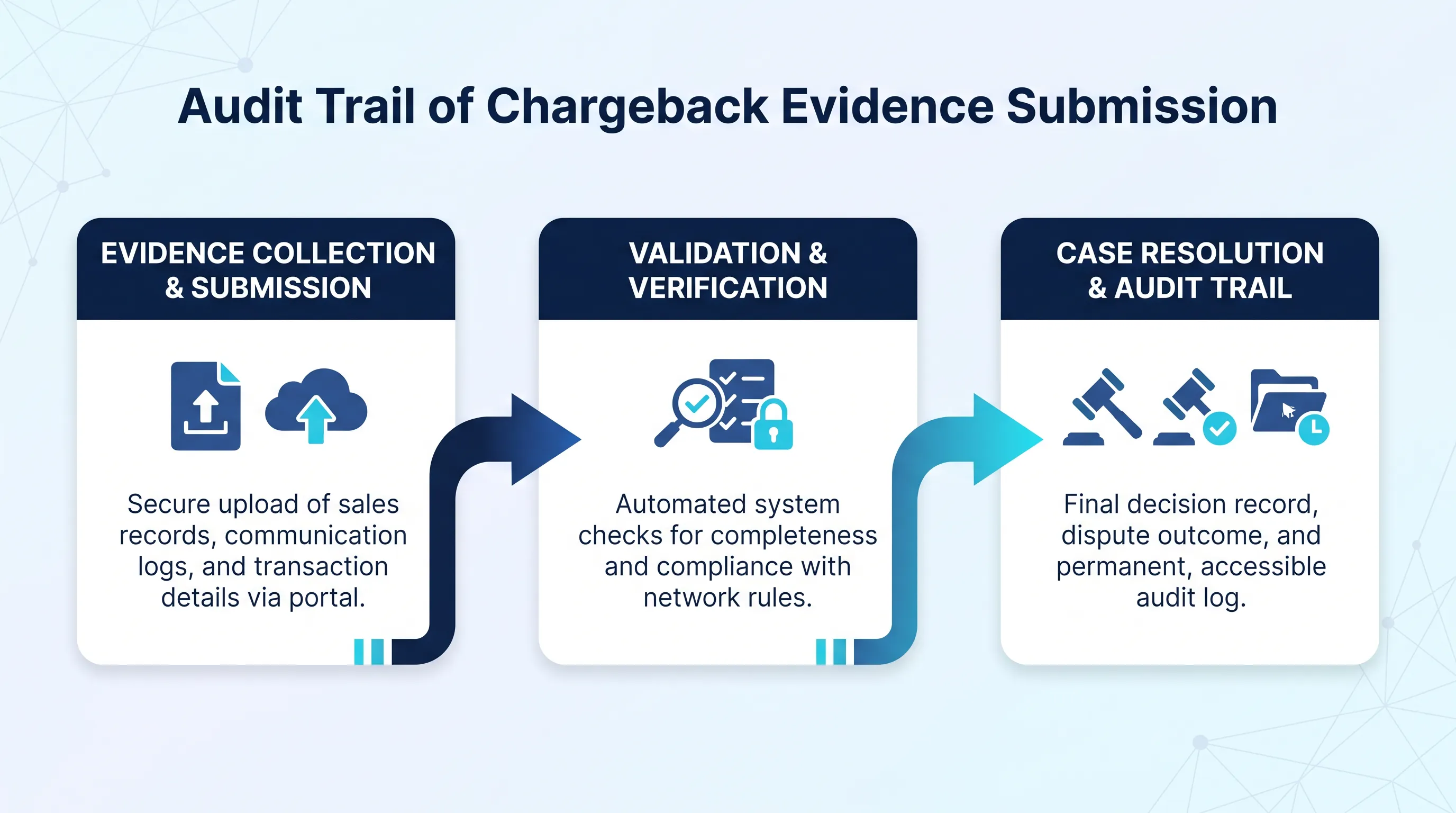
Require a full audit trail of who acted and what evidence version was submitted. The trail should show when it went out and what the issuer decided, along with the case cost. Costs matter more than they look. Mastercard's 2025 research with Datos Insights puts the average cost per chargeback at $128 once third-party and internal costs are counted, on top of acquirer fees that run $20 to $100 per dispute.
Any chargeback management software you shortlist should let you answer one question without a data pull: which merchants and reason codes are costing you money, and whether that figure is moving.
Separate fixes from engineering
A good portion of what teams call a software gap is actually an ownership gap. Before you scope a build, run the scorecard and sort every failing line into one of two buckets.
Things you can fix with what you have now:
-
Assigning named case owners and a backup for every acquirer relationship
-
Standardizing an evidence checklist per reason code, even as a shared document
-
Logging outcomes and costs in whatever system already holds your transaction data
Things that need engineering: pulling authorization and settlement records through an application programming interface (API) and building a data model that links a dispute to a transaction to a merchant to a fulfilment record. Chargeback representment at scale is an integration problem, which is why the software fails when it's dropped onto disconnected source systems.
Assess the processing context
Map the terrain before you choose components. For each acquirer and processor you work with, document how disputes arrive and what identifier ties them to your transaction record. The map reveals that two acquirers send disputes in incompatible formats and nobody had written that down.
Reconciliation is the linked capability here. If your transaction matching is unreliable, case data is unreliable, and no amount of workflow polish fixes a case opened against the wrong transaction. Regional context raises the stakes: Nigeria's Federal Competition and Consumer Protection Commission reported over 3,000 banking complaints between March and August 2025, with failed transactions and delayed refunds among the recurring issues.
Scheme pressure is tightening alongside regulatory pressure. Visa's Acquirer Monitoring Program dropped its excessive dispute-ratio threshold to 150 basis points in April 2026 across several regions. The software is worth building around when your ratio reporting has to be defensible to an acquirer.
Scope implementation with EGS
Energize Global Services (EGS) is a multinational development centre founded in 2007 that builds secure financial platforms and payment infrastructure for banks and processors, with delivery teams across Europe and Africa. Dispute workflows live at the junction of switch data and merchant systems, which is the kind of integration work our engineers do.
A scoping engagement with us produces four things. The first two are a workflow map of your current dispute path with every handoff named and an integration scope covering acquirer connections and payment record retrieval. The other two are acceptance criteria tied to deadline compliance and evidence completeness, along with a phased plan that sequences reconciliation and case data before merchant-facing features. The workflow improves in the order you fix the plumbing.
Plan the next step
Work the sequence in order. Map how disputes reach you today and score your current tooling against evidence rules and deadline handling. Then split the failures into process fixes and engineering work. Document the gaps before anyone writes a requirements document, because a vendor demo will not find them for you.
Talk to EGS about where your dispute workflow breaks and what integration work it needs. Book a call with our engineers to scope the payment and operational connections behind effective chargeback management software.