Real-time vs batch processing
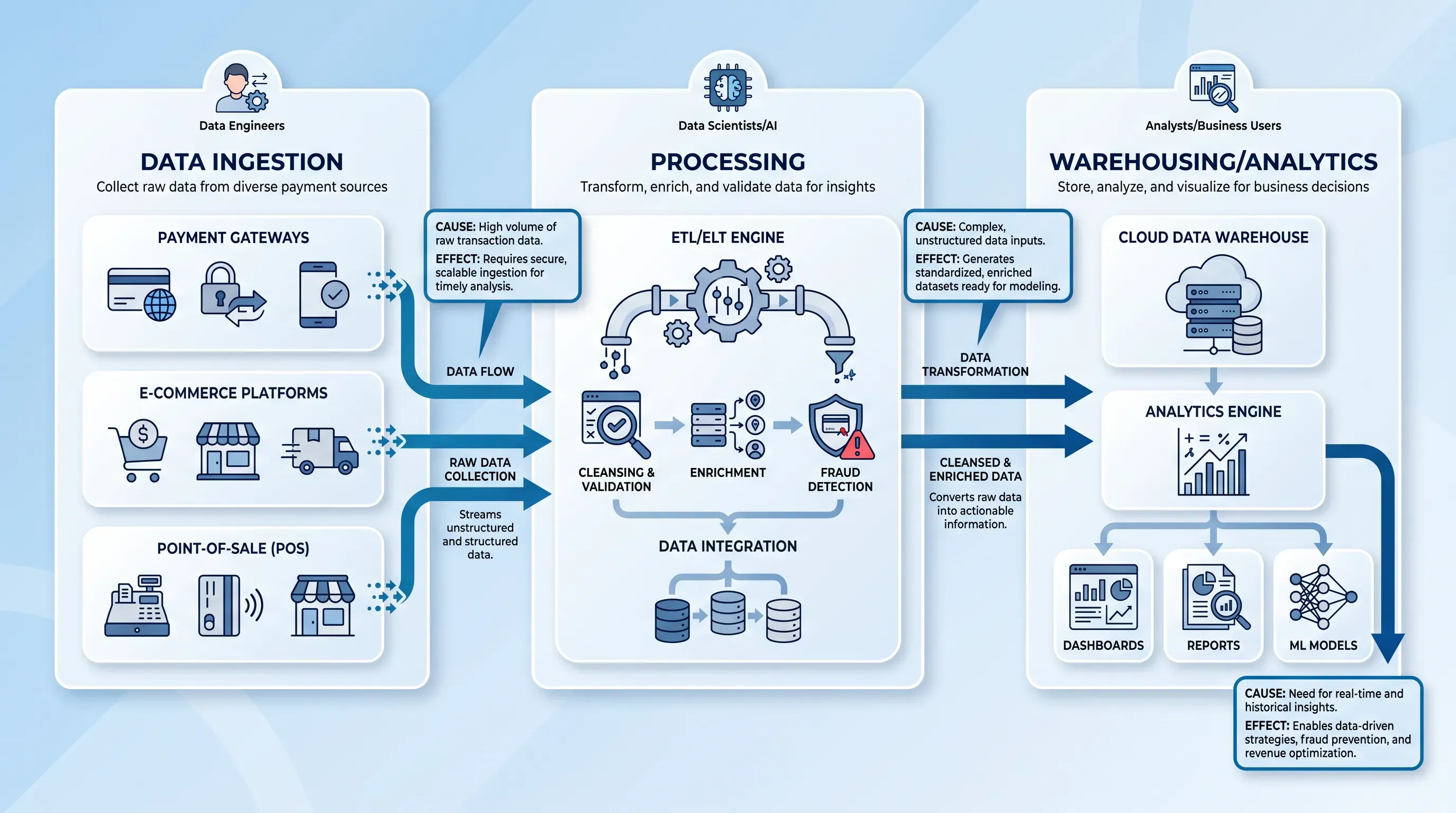
Once data is flowing in, you have to decide when to process it. Batch processing gathers records and runs them on a schedule that fits the workload. Stream processing handles each event the moment it arrives. The trade-off between them is the single most consequential design choice in the pipeline.
Batch is cheaper and simpler to operate. It's the right tool for anything that can tolerate a delay, from month-end reconciliation to the reports your finance team reads on Monday. Streaming costs more and demands harder engineering, because the system has to manage state and exactly-once delivery on a continuous basis. As Striim's engineering team puts it, streaming is "essential for use cases where data freshness and low latency are hard requirements."
Streaming vs batch analytics
The honest answer is that serious platforms run both. You stream the events where a delay changes the outcome, and you batch everything else. Databricks describes the shift this way: lakehouse architectures blur the line and let teams "move from batch reporting to near real-time analytics," which shortens the time between transaction and insight.
Here's the split that holds up:
-
Use streaming when latency changes the result, such as when a transaction needs a fraud score before authorization returns or when a processor outage has just begun
-
Use batch when the question is retrospective, such as when teams reconcile settlements or analyze cost by method
That distinction sets up the argument later in this piece about why the streaming half matters so much in payments specifically.
Payment data analytics and warehousing
The warehouse is the central store where your cleaned, normalized data lives, built to be queried. This is not the database that runs your live payments. Those operational systems use online transaction processing (OLTP), tuned for fast writes and point lookups on the current state of a payment. The warehouse uses online analytical processing (OLAP), tuned for complex queries that scan millions of rows at once.
As Cloudera's documentation frames it, "if the data warehouse is where you analyze what happened, the operational database is where it happens." Mixing the two hurts both. Your live payment system can't afford a heavy analytical query slowing down an authorization, and your reporting can't afford being starved of resources by live traffic. They're separate for a reason.
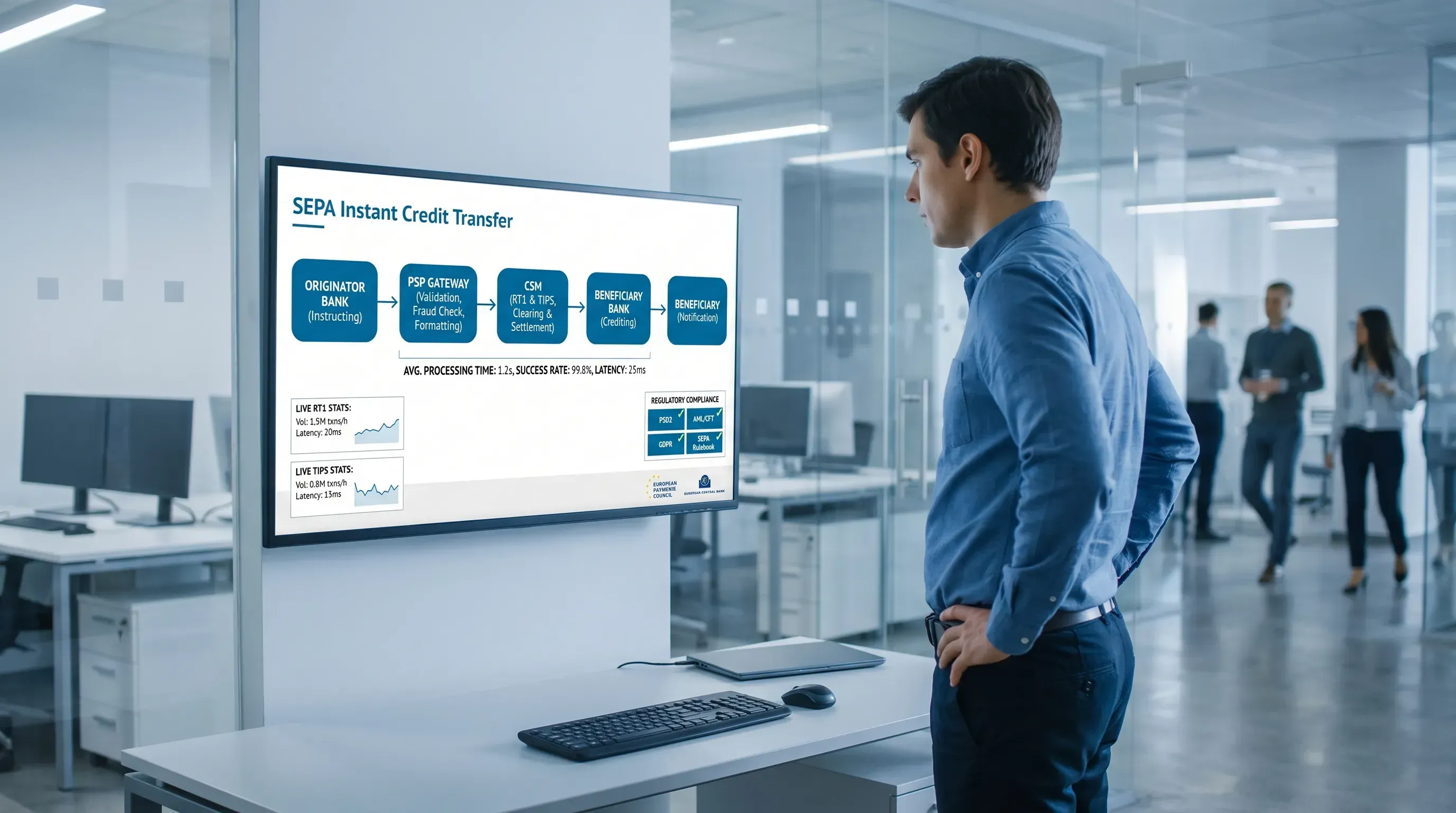
What's changed is speed. Older warehouses meant your analysis was always a day behind, because loading happened overnight. Modern cloud warehouses and real-time warehousing shorten that lag to minutes or seconds, which is what lets payment data analytics feed a live dashboard instead of yesterday's snapshot. This is where transaction insights systems stop being retrospective and start supporting decisions while they still matter. The warehouse is the layer that serves everything: the dashboards your ops team watches and the models your risk team runs.
What the data reveals
Unify the data and make it queryable, and three things become possible that weren't before. These are the use cases that justify the investment in transaction insights systems, and each one draws on the exact pipeline described above. Fraud detection needs the streaming half. Revenue work leans on the normalized schema. Operational monitoring depends on both. This is the answer to the question you're really asking: what do I get for building this?
Fraud detection
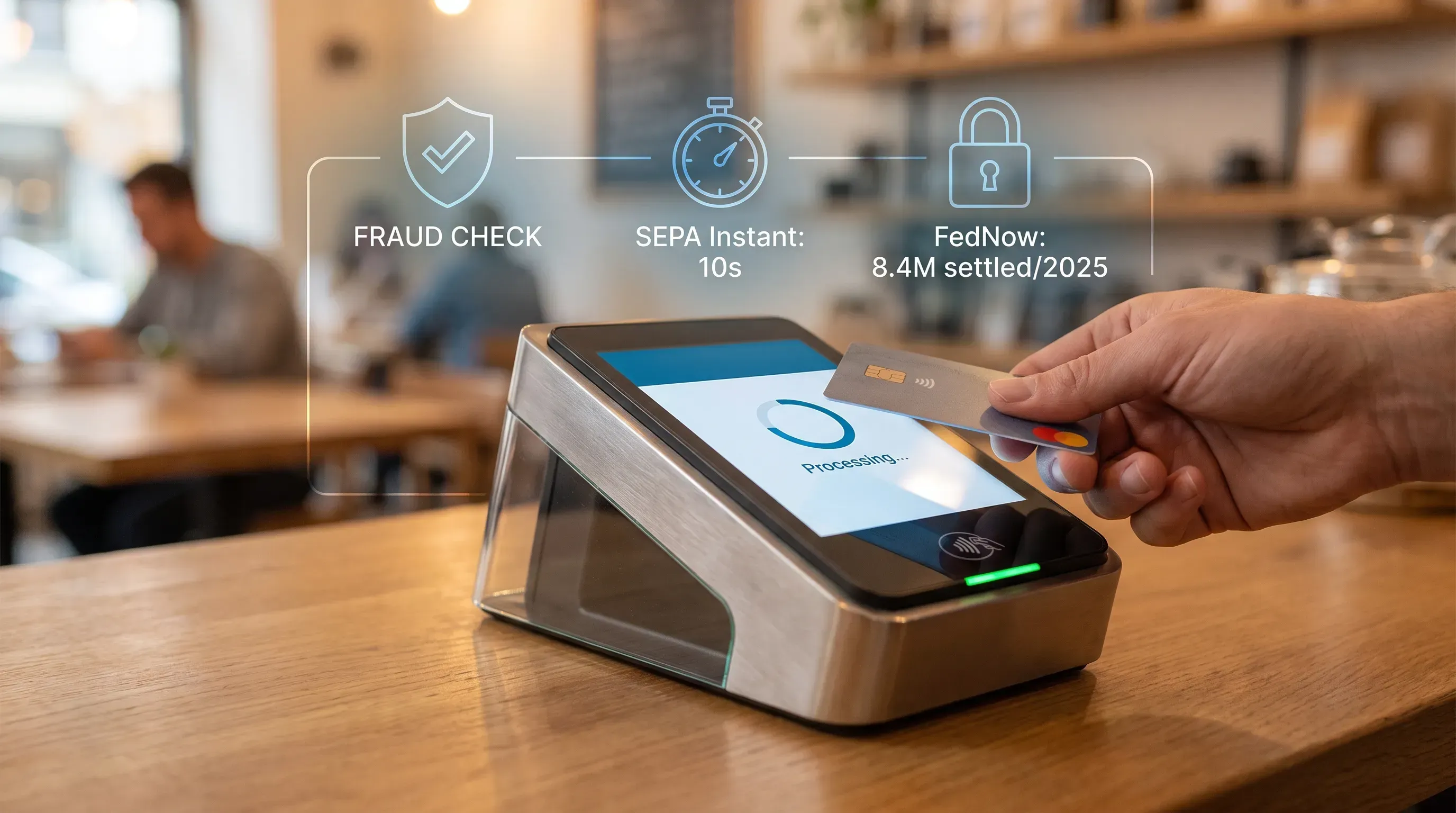
Unified data plus real-time processing lets the payment analytics platform score a transaction for risk before the authorization response comes back and before a chargeback lands weeks later. According to Redis engineering, machine learning models score a transaction for fraud risk in the 10 to 50 millisecond range in high-performance systems. That's the entire window you have while the payment is still in flight.
The payoff is catching fraud without wrongly blocking good customers, and that second half is where the money hides. False declines were projected to cost US merchants $157 billion in 2023, which dwarfs the roughly $48 billion lost globally to actual card fraud. And 41% of consumers say they'll never shop with a brand again after a false decline. Screening live transactions against historical patterns is what lets you approve the good ones with confidence and stop the bad ones in the same motion.
Good machine learning models cut false positive rates by 40% to 60% compared with rigid rule-based systems, according to Lucid. If you're deciding which capabilities to prioritize, this is the one where speed and accuracy compound each other, and it only works because the pipeline delivers the data fast enough to act inside the authorization window.